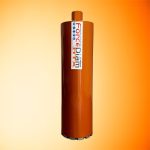
 HTX
HTX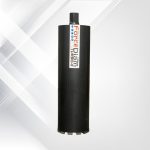 Turbo-X
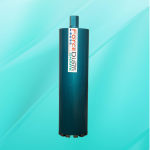 Shark
Shark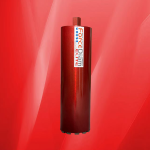 Elite
Elite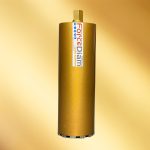 Gold Edition


ForceDiam Core Drill Bit Guide: Elite, Shark, HTX, Turbo-X and Vortex


Choosing the right diamond core drill bit is not just about diameter. The segment type, the material, the amount of reinforcement, the drilling method, and the machine all influence performance on site.
A wrong segment can lead to slow drilling, uneven wear, overheating, poor control, and wasted time. A correct segment helps the operator drill cleaner, faster, and with more predictable results.
Start with Four Simple Questions
Before choosing a diamond core drill bit, ask yourself:
What material am I drilling?
Concrete, reinforced concrete, brick, concrete blocks, or mixed materials all require different segment performance.
How much rebar is present?
Light reinforcement is very different from heavily reinforced concrete with a high amount of steel.
Am I working wet or dry?
Wet drilling helps cool the segment and remove slurry. Dry drilling creates more heat and requires a segment designed to handle tougher thermal conditions.
What machine am I using?
The core drill bit must match the equipment, the application, and the pace of work on site.
Once these questions are clear, choosing the correct segment becomes much easier.
For Heavily Reinforced Concrete
For heavily reinforced concrete with a high amount of rebar, choose a segment with the right balance between speed, stability, and durability.
This type of application is demanding because the core bit must cut through both concrete and steel reinforcement. A segment that is too aggressive may wear too quickly, while a segment that is too slow can reduce productivity.
Recommended option:
ForceDiam Elite — designed for heavily reinforced concrete, beams, columns, industrial slabs, and applications where there is often more steel than concrete.
For General Reinforced Concrete
For general reinforced concrete, choose a segment that delivers fast cutting and long service life.
This is the best choice when you need reliable performance across regular concrete coring work, without focusing only on maximum speed or only on durability.
Recommended option:
ForceDiam Shark — suitable for brick, concrete, and reinforced concrete, offering fast cutting and long life.
For Reinforced Concrete Coring with a Focus on Speed
Need speed in general reinforced concrete? Choose a segment that delivers fast penetration, stability, and reliable performance.
High-speed segments are useful for construction sites, installation work, HVAC, plumbing, and electrical openings where time matters and the material is hard.
Recommended option:
ForceDiam Turbo-X — designed for concrete and reinforced concrete coring where high working speed and consistent performance are important.
For Wet Drilling
Wet drilling is commonly used in concrete and reinforced concrete applications. Water helps cool the segment, reduce friction, and remove drilling material during the coring process.
For wet coring, choose a segment designed for stability, speed, and long service life.
Recommended wet drilling options:
Elite — for heavily reinforced concrete
Shark — for general concrete and reinforced concrete
HTX — for fast cutting, stability, and long service life in reinforced concrete coring work
For Dry Drilling
Dry drilling requires a different segment approach. Without water, the segment must handle higher temperatures and more demanding thermal cycles.
Dry coring is especially useful for indoor work, renovation projects, plumbing, HVAC, electrical runs, and areas where water cannot be used.
Recommended dry drilling option:
ForceDiam Vortex — recommended for dry drilling in brick, concrete blocks, and unreinforced concrete.
For Both Wet and Dry Applications
Some jobs require flexibility. When the application changes between wet and dry drilling, or when site conditions are not always predictable, a versatile segment is the best choice.
Recommended wet and dry option:
ForceDiam Turbo-X — suitable for both wet and dry applications, making it a strong choice for professionals who need one core bit for different jobsite conditions.
Understanding Abrasive Materials
Abrasive materials are materials that wear the segment faster during drilling.
Common examples include:
Brick;
Concrete blocks;
Masonry;
Sandy concrete;
Mortar;
Materials with high sand or aggregate content.
For brick, concrete blocks, and other abrasive materials, choose wear resistance over raw speed. A bit that cuts very fast at first may not always be the best option if it wears out too quickly.
Quick ForceDiam Selection Guide
Elite
Best for heavily reinforced concrete with a high amount of rebar. Recommended for wet drilling.
Shark
Best for general reinforced concrete, brick, and concrete. Fast cutting with long life. Recommended for wet drilling.
HTX
Best for reinforced concrete coring work where fast cutting, stability, and long service life are required. Recommended for wet drilling.
Turbo-X
Best for high-speed drilling in concrete and reinforced concrete. Suitable for both wet and dry applications.
Vortex
Best for dry drilling in brick, concrete blocks, and unreinforced concrete. Ideal for indoor work and areas where water cannot be used.
Final Thoughts
Choosing the right diamond core drill bit is not about theory. It is about performance on the jobsite.
When the segment is right, the machine works cleaner, the operator has better control, and the drilling process becomes faster and more predictable.
The correct core bit helps reduce wasted time, improve drilling quality, and deliver the required result the first time.
Choose the right segment. Drill cleaner. Work smarter.